Spiral Duct Machine Types: Choosing the Right Option for Efficient HVAC Projects

Jump to section
Picking the right spiral duct machine can make or break an HVAC project’s efficiency—and honestly, it shows in the final ductwork quality. These machines take metal coils and shape them into sturdy, round ducts that move air smoothly through big buildings and commercial systems.
The best spiral duct machine is the one that matches your production scale, materials, and automation needs while still delivering precise, reliable output.
You’ll find manual, semi-automatic, and fully automatic machines, each offering different speeds, labor needs, and levels of control. Small shops often like semi-automatic models for their balance, while high-volume manufacturers tend to go all-in on fully automatic systems for their accuracy and consistency.
Each machine type fits a specific purpose, depending on project size, airflow needs, and what materials you prefer. Knowing the differences helps you avoid headaches and wasted cash down the line.
Understanding Spiral Duct Machine Types
Spiral duct machines start with flat metal coils and shape them into strong, airtight ducts for HVAC systems. Every machine has feeding, forming, and cutting systems working together to crank out consistent duct sections for ventilation, heating, and cooling jobs.
What Is a Spiral Duct Machine?
A spiral duct machine rolls and locks metal strips into a continuous round duct, forming a spiral seam. That seam gives the duct its strength and helps it seal tight under pressure, which keeps air from leaking out.
Most manufacturers use galvanized steel, aluminum, or stainless steel, depending on where the ducts will go. Spiral ducts show up in commercial buildings, factories, and anywhere you need to move a lot of air efficiently—and they’re pretty straightforward to install.
Machines range from manual models with basic dials to fully automatic systems where you punch in speed and diameter on a computer. Automation cuts down on waste and keeps things accurate. Your choice really comes down to how much you plan to produce and what you’re willing to spend on materials and features.
Key Components of Spiral Duct Machines
Most spiral duct machines share a few core parts that drive their performance and accuracy.
- Decoiler: Holds and unwinds the metal coil.
- Feeding system: Guides and lines up the strip for smooth movement.
- Forming head: Shapes the metal into a spiral tube.
- Locking seam mechanism: Creates the spiral seam for joint strength.
- Cutting unit: Cuts ducts to the right length automatically.
Some models come with adjustable forming molds and computerized controllers for different duct diameters. If you want consistent quality, you’ll need to keep rollers, blades, and sensors in good shape. High-end models might throw in CNC controls and automated cutting, which takes a lot off the operator’s plate.
Basic Operation Principles
The process kicks off when you feed a metal coil into the forming rollers. These rollers bend the strip into a round shape while a seam-lock tool secures the spiral joint.
Once the duct reaches its target length, a sensor or counter tells the cutting unit to trim it cleanly. The finished duct slides out, ready for whatever comes next.
Operators keep an eye on things like speed, diameter, and metal thickness to keep everything uniform. Automatic systems can store preset programs, so switching sizes is quick. Calibration matters—a lot—if you want every duct to meet airflow and strength standards without wasting material.
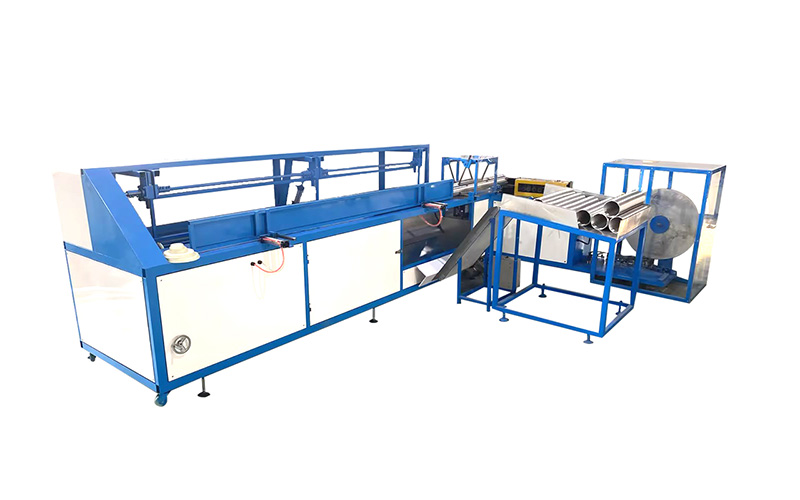
Common Types of Spiral Duct Machines
Spiral duct machines differ in how they form, control, and cut ducts from metal coils. Manual, semi-automatic, automatic, and custom-engineered models all come with their own trade-offs in speed, precision, and cost.
Manual Spiral Duct Formers
Manual spiral duct formers put most of the work in the operator’s hands. You feed the metal, adjust the forming head, and handle the cutting yourself. These machines are simple and affordable, making them a good fit for small shops or low-volume work.
If you’re making custom duct sizes or just need a few pieces for a job, manual formers are hard to beat on price. They’re also good for training new fabricators.
Manual machines let you work with galvanized steel, stainless steel, or aluminum. Fewer electronics mean less can go wrong, but you’ll need a steady hand for consistent results.
- Low purchase cost—great for small jobs or repairs
- Manual feeding and cutting—ideal for prototyping or one-offs
- Precision depends on the operator
Semi-Automatic Spiral Duct Machines
Semi-automatic machines mix manual setup with powered controls for cutting or feeding. You still load the coils and set the duct size, but the machine handles the forming speed and seam locking.
Many of these machines have automated length measurement and hydraulic or pneumatic cutting, which speeds things up. You’ll still need to watch over material changes and quality, though.
Semi-automatic models work well for medium-sized shops or contractors who need a steady output but aren’t running a full-blown factory. They save time on batch runs and keep things flexible for custom sizes.
Fully Automatic Spiral Duct Machines
Fully automatic spiral duct machines do almost everything themselves. They feed the metal, form the spiral, lock or weld the seam, and cut ducts to size—all with barely any operator input.
With computer controls, you can set duct diameter, thickness, and cutting length right from a digital panel. That means high accuracy and repeatability, with hardly any waste.
Big HVAC manufacturing plants love these machines for their speed and reliability. Sure, they’re pricey and need more maintenance, but you’ll get consistent results and lower costs per duct in the long run.
Custom Spiral Duct Machines
Some jobs call for custom spiral duct machines. Manufacturers can tweak forming heads, seam types, or drive systems to handle unique materials or special duct shapes.
If you’re making oversized ventilation ducts, you might need a beefed-up frame or a wider forming range. Some operations need machines set up for insulated or double-wall ducts.
Custom machines often tie in with plant automation or special control interfaces to fit right into your existing workflow. They’re expensive, but for industries like heavy ventilation or cleanrooms, the investment pays off in performance.
Usually, companies order these after talking things through with equipment designers to get the right mix of output, accuracy, and space use.
Comparing Spiral Duct Forming Technologies
Spiral duct forming machines come in different flavors, each with its own way of shaping metal, handling materials, and keeping up with production demands. What you pick depends on your goals, materials, and how much hassle you want from your equipment.
Traditional vs. Advanced Forming Methods
Traditional spiral duct machines use basic roll-forming to wrap metal into a spiral. They’re tough, easy to fix, and usually cheaper. The downside? You have to make manual tweaks, and there’s not much automation.
Advanced forming machines—think band type or mould type tubeformers—use servo-driven controls, CNC systems, and automatic cutters for precise, repeatable results. They cut waste and keep things running smoothly, which is a big plus for high-volume manufacturers.
- Traditional roll-forming: Low automation, longer setup, moderate accuracy
- Band type tubeformer: High automation, quick setup, high accuracy
- Mould type tubeformer: High automation, moderate setup, very high accuracy
Your decision comes down to project scale, output demands, and how much maintenance you’re willing to deal with.
Materials Compatibility
You need a machine that matches your material’s strength and flexibility. Most machines can handle galvanized steel, aluminum, and stainless steel, but thickness limits will vary.
Aluminum forms easily on standard rolls, but stainless steel needs more muscle—stronger rollers and more pressure. If you want to switch materials often, look for machines with interchangeable forming heads.
If you’re working in corrosive or damp environments, go for machines rated for stainless or coated steel. And don’t forget to check coil width and gauge capacity; it’ll save you from uneven seams and worn-out tools.
Speed and Efficiency Considerations
Production speed can really change your workflow. Basic machines put out enough for small or custom jobs, but nothing crazy.
Top-tier CNC models use servo motors and automatic lubrication to crank up the speed without losing accuracy. They keep seams tight, which cuts down on air leaks.
- Continuous coil feeding keeps things moving
- Automatic cutters boost throughput
- Integrated monitoring tweaks tension and pitch on the fly
High automation costs more up front, but you’ll save on labor and cut down on mistakes—especially if you’re running a big HVAC line.
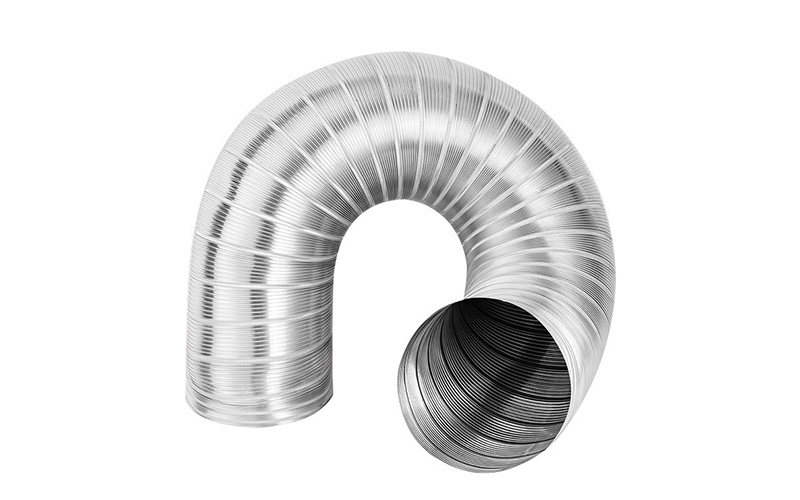
Key Selection Criteria for HVAC Projects
Finding the right spiral duct machine means weighing production needs, budget, and how much skill your operators have. Look at capacity, automation, and long-term service support if you want consistent quality and smooth output—no matter your shop’s size.
Project Size and Requirements
Match your machine’s capacity to your project’s size and how often you’re making ducts. Smaller HVAC shops usually do well with semi-automatic machines that handle moderate volumes and give you manual control. Big manufacturers lean toward fully automatic models for nonstop production and less downtime.
Most commercial jobs need ducts in the 80 mm to 630 mm range. If you’re working with bigger ducts or thicker materials, look for heavy-duty machines with more power and torque.
- What duct sizes and materials will you need?
- How much are you producing, and for how long?
- Do you need flexibility for different diameters?
Take a close look at your needs before buying—otherwise, you might end up with a machine that’s too small or way more than you actually need.
Budget Constraints
Cost shapes your choices for automation, production capacity, and even how long your machine will last. Manual or semi-automatic models ask less upfront, but you’ll spend more on labor.
Automatic forming machines come with a steeper price tag. Still, they keep a steady pace and cut down on waste, which might save you money in the long run.
When you compare prices, don’t forget about tooling, setup, and maintenance costs. Energy bills can sneak up on you too, especially if your facility runs multiple shifts.
Balancing your starting budget with what you actually need to produce can help you avoid overspending. It’s not always easy figuring out where to draw the line, but that’s the reality for most buyers.
Ease of Operation
User-friendly features really help keep things accurate and cut down on training headaches. Machines with digital control interfaces or automatic diameter adjustment make switching jobs faster.
These options keep errors low. Even technicians without years of experience can handle production smoothly.
Safety matters, too. Systems with emergency stop functions or protective shields keep the workplace safer and let people focus on the job.
Manufacturers who design logical control panels make it easier for operators to keep things running. If you’re in a small or mid-sized shop, you might have one person juggling a few machines at once.
Fewer setup steps and clear instructions help keep production steady. It’s just less stressful that way.
Maintenance and Support
Routine maintenance really keeps machines alive and production on track. If you can get to rollers, cutters, or belts easily, cleaning and oiling everything becomes less of a chore.
Machines that only need basic hand tools for adjustments save you time during checks. That matters when you’re busy.
Strong after-sales support—like quick parts delivery or solid technical help—means less downtime. Some suppliers even offer remote diagnostics or on-site service contracts, which can be a smart move if you run high volumes.
If the manufacturer gives you a clear maintenance schedule, planning regular checks feels less daunting. Keeping up with maintenance extends your machine’s life and helps avoid those expensive, annoying breakdowns.
Benefits and Limitations of Each Machine Type
Different spiral duct machines fit different needs, spaces, and quality standards. Each one brings its own mix of strengths, resource demands, and trade-offs that shape your costs, speed, and product quality.
Production Volume Flexibility
Spiral duct machines handle small or large production runs differently. Manual and semi-automatic machines work best for lower output shops, since operators can adjust speed and swap tooling without much fuss.
They’re great for custom jobs or short runs. Fully automatic machines keep things moving fast and steady, with coil handling and programmable controls that slash setup time.
This kind of consistency is perfect for big manufacturing jobs, like commercial HVAC projects. But, higher automation can make it harder to switch sizes or materials all the time.
For smaller shops, the price of a big automatic machine can be tough to justify unless you’re cranking out lots of ducts. Picking the right machine really comes down to matching your production needs with what the equipment can handle.
Space and Energy Needs
Your machine choice changes how much space you’ll need and how much energy you’ll burn. Automatic spiral duct machines can take up a lot of floor space, thanks to their built-in coil feeding, forming, and cutting units.
They might need high-voltage power and steady airflow for cutting, too. On the other hand, semi-automatic and manual models are smaller and usually plug into standard outlets.
They’re a better fit for tight workshops or job sites with limited capacity. Sure, you’ll use less energy, but expect to spend more time on each job since you’ll be hands-on more often.
It’s smart to plan space for coil storage, duct discharge, and room to get in for maintenance. If your shop doesn’t have much power or ventilation, you might need to upgrade before bringing in a big automatic unit.
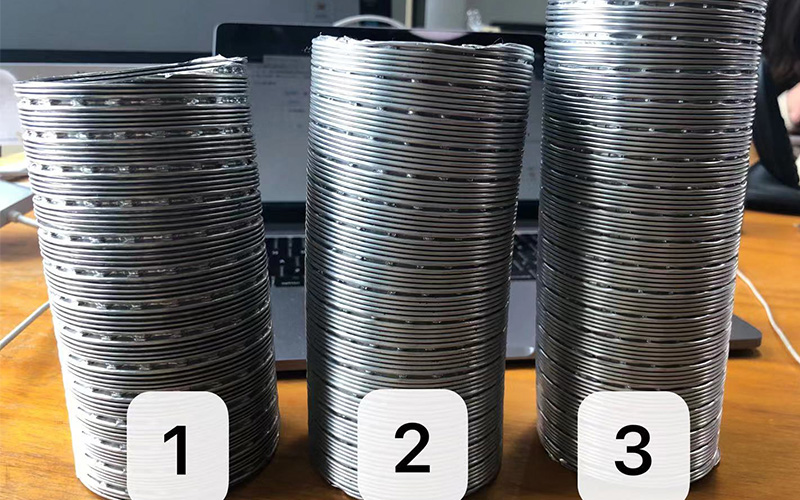
Quality and Consistency of Ducts
Duct precision really comes down to the machine’s design and its control systems. Automatic spiral duct machines use precise forming heads and digital cutters, so you get uniform seams and accurate dimensions.
These machines help you keep up with airtightness standards, which is pretty important if you care about energy-efficient HVAC systems.
Manual and semi-automatic machines can still turn out good ducts. But honestly, it’s a lot more about the operator’s skill and how carefully they set things up.
If you get a little careless with alignment or don’t apply even pressure, you might end up with fittings that don’t quite line up—or worse, air leaks down the line.
Operators check seams, measure thickness, and double-check lengths on a regular basis. Calibration tools and some solid training? They often do more for quality than just buying fancier machines, especially if you’re not running a huge operation.
Want to Know More About Our Products?
View All Products Now