Essential Guide to HVAC Duct Making Machines for Efficient Fabrication and Installation
Jump to section
HVAC duct making machines shape, cut, and assemble metal sheets for air distribution systems. They really are the backbone of every solid heating, ventilation, and air conditioning setup.
These machines deliver consistent quality, precise dimensions, and efficient airflow—whether you’re working on a commercial or residential project.
If you’re involved in HVAC design or installation, it’s worth knowing how these machines work together. From basic forming and cutting to advanced automated systems that handle tricky duct shapes, each machine has its own job in the process.
Understanding what each piece of equipment does helps teams pick the right setup for different production needs.
This guide looks at the main machines in duct fabrication, the materials they use, and the techniques behind making rectangular, spiral, and other duct types. It’s here to give pros a leg up on streamlining operations and keeping quality high at every step of duct manufacturing.
Overview of HVAC Duct Making Machines
These machines shape metal sheets into air ducts that move air through HVAC systems in homes, offices, and industrial spaces. They rely on precision engineering and automation to turn out consistent, high-quality ductwork—something every reliable heating and cooling system needs.
What Are HVAC Duct Making Machines?
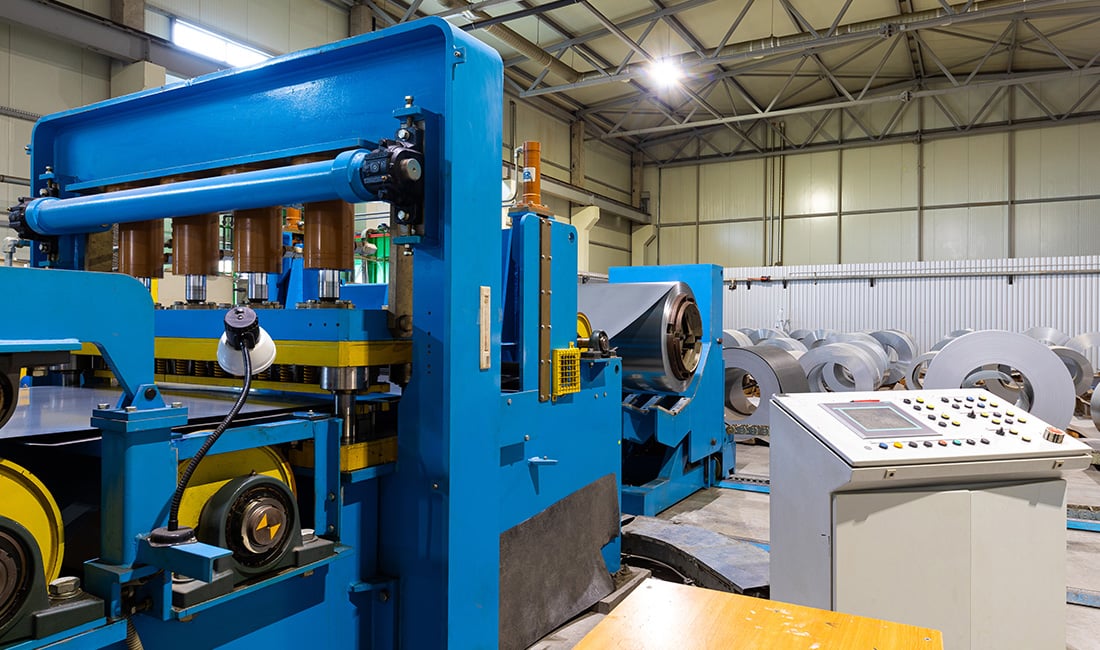
HVAC duct making machines are specialized tools that cut, shape, and join sheet metal into air ducts. They handle rectangular, circular, and spiral ducts for all kinds of HVAC systems.
Materials like galvanized steel, aluminum, and stainless steel are common picks for their strength and corrosion resistance. Machines range from fully automated production lines to smaller semi-automatic units.
Some examples: roll forming machines, duct seam closers, and plasma cutting machines. Each one takes care of a specific step to make sure the finished ducts fit tight and stay uniform.
Modern setups often include digital controls for better accuracy. Automation helps cut down on waste, speeds up production, and keeps quality steady, especially on big manufacturing runs.
Importance in Modern HVAC Systems
Good duct manufacturing keeps airflow efficient and indoor comfort steady. Poorly built ducts? They can cause leaks, noise, or uneven heating and cooling.
By using advanced duct making machines, manufacturers hit precise specs and get ducts that fit right the first time. Airtight seams and smooth insides cut down on air resistance, which can lower energy bills.
In commercial spaces, where HVAC systems get a real workout, tough and accurate ducts are a must for long-term performance. Tech like computer-controlled cutting and automated seam systems speeds up production and helps teams meet tight deadlines—without sacrificing quality.
Key Components of Duct Manufacturing
Duct manufacturing brings together several machines, each handling a part of the process. Core pieces include:
- Decoiler: Feeds metal sheets into the line
- Roll Former: Shapes metal into duct profiles
- Plasma Cutter or Shear: Cuts sheets to length
- Flanging and Folding Machines: Make edges ready for assembly
- Seam Closer or Lock Former: Joins duct sections tight
Every step needs to line up for good results. Production lines might also have insulation cutting or duct paneling systems for special jobs. Calibrating machines right means each duct meets the pressure and airflow requirements for its intended space.
Core Machines in Duct Fabrication
Duct fabrication leans on a mix of forming, cutting, and shaping machines to hit accuracy and efficiency targets. Each machine—whether it’s bending, cutting, or reinforcing—helps make sure finished ducts meet airflow and durability standards.
Folding Machine and Its Functions
The folding machine bends sheet metal into exact angles to create rectangular ducts and fittings. It keeps bends consistent along the sheet, which is way better than doing it by hand.
Operators can tweak the folding depth and angle to match different duct sizes or materials. Digital controls for angle settings help cut down on mistakes and save time. The usual materials? Galvanized steel, stainless, and aluminum.
Most folding machines handle sheets up to several millimeters thick and lengths of 2–4 meters. Keeping folds uniform means ducts assemble tightly, which helps prevent leaks and boosts energy efficiency.
Duct Cutting Machines: Precision and Performance
The duct cutting machine decides how cleanly and accurately you prep sheet metal before forming. Models run from manual shears to slick CNC plasma or laser cutting systems.
Precision cutting lines up edges for assembly, saving time on rework. Computer-controlled systems can pull in CAD drawings to cut tricky shapes for fittings or corners. These machines really speed up production and help avoid wasting material.
- Automatic feed tables make handling faster
- Programmable cut sizes keep batches consistent
- Dust and spark control keeps things safe and clean
Beading and Flanging Machines for Structural Integrity
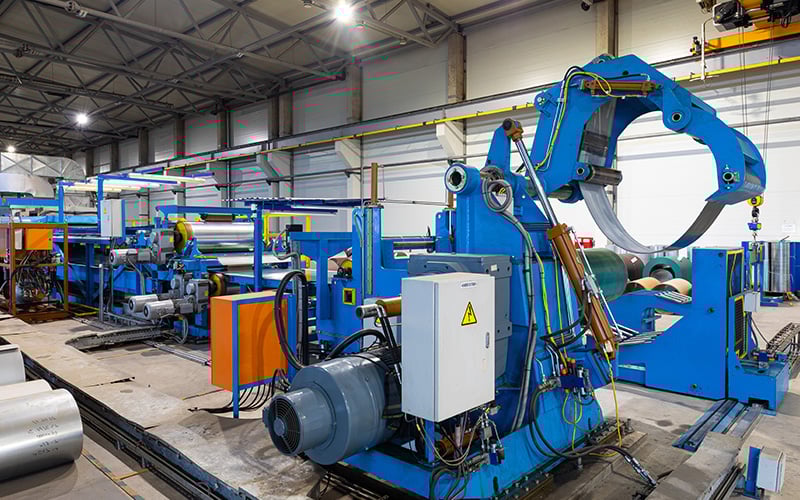
The beading machine and flanging machine toughen up ducts by adding ribs and edge flanges. Beading puts shallow grooves along the metal, boosting rigidity and stopping warping under pressure.
Flanging creates raised or folded ends, making assembly easier and sealing better. Usually, shops bead first, then flange, so panels are ready to join. Rollers can be adjusted for different bead spacing and flange depth, making them flexible for all sorts of jobs.
These machines help cut down on vibration and noise in HVAC systems. A solid beading or flanging machine keeps ducts in shape and extends their life, making sure final assemblies meet airflow and safety standards.
Specialized Equipment for Advanced Ductwork
Modern duct shops rely on specialized machines for speed, accuracy, and consistency. With the right gear for cutting, forming, and joining, manufacturers can handle complex shapes and airtight seams with less hassle.
Plasma Cutting Machines for Complex Designs
A plasma cutting machine slices through sheet metal with a high‑temperature plasma arc. It works on galvanized steel, aluminum, and stainless steel, so you can use it for rectangular or spiral ducts.
Operators program the patterns using CAD, which saves time and cuts down on waste. These machines make cleaner, more detailed cuts than you’d get by hand. That means pieces fit together better and you don’t need to tweak as much during assembly.
Most systems include automatic nesting software to get the most out of each sheet. Some setups use CNC controls and servo drives for smooth, even cuts. The result? Uniform, high-quality pieces ready for the next step.
Flange Forming and Rolling Machines
A flange forming machine shapes duct edges to accept connecting flanges, which help keep joints strong and leak-free. These machines can make both inboard and outboard flanges on rectangular ducts.
Operators adjust roller dies to get the flange profile just right. Rolling machines—often paired with flangers—curve sheet metal for round or oval ducts using multiple rollers for even pressure. This makes sure ducts fit with fittings and transitions without any weird gaps.
Using flange forming and rolling gear cuts down on manual work and speeds up the line. Plus, you get better accuracy, which helps keep airflow efficient in finished systems.
Riveting Machines in Duct Assembly
A riveting machine fastens duct parts like elbows, joints, and brackets. Rivets make a solid mechanical connection—no need for heat or welding that could mess up the metal.
Hydraulic riveting machines deliver steady force for tight, uniform fastenings. On production lines, manufacturers often use semi‑automatic riveting systems to put frames and corners together quickly. They can handle steel, aluminum, or coated materials without scratching them up.
Riveting keeps assemblies light and neat while still strong. Need to clean or redesign? Riveted ducts can be taken apart without too much trouble. Consistent rivet placement means better air-tightness and longer-lasting ducts.
Materials Used in Duct Manufacturing
The material you pick for ducts affects how long they last, how easy they are to install, and how well they stand up to corrosion. The big players? Galvanized steel and aluminum, each with its own strengths for different jobs.
Galvanized Steel: Standard for HVAC Ducts
Galvanized steel is the go-to for most HVAC duct systems. It’s carbon steel with a zinc coating to fight rust and stretch out service life. That zinc layer stands up to moisture and the kind of exposure you see in ventilation systems.
Manufacturers like galvanized steel for its mix of toughness and reasonable price. It keeps its shape under pressure, which helps maintain airflow and stops leaks. Plus, the smooth inside surface helps air move through the system with less friction.
Sheet thickness usually runs from 24 to 30 gauge, depending on duct size. Galvanized steel works for both rectangular and round ducts—just shape it with brakes, seamers, or forming machines.
It’s affordable, strong, and easy to work with. No wonder it’s the standard for both commercial and residential HVAC installs.
Aluminum in Specialized Applications
People choose aluminum when they want lighter weight, better corrosion resistance, or just easier handling. You’ll see it a lot in places with salty air or high humidity—think coastal towns and busy marinas.
Steel rusts, but aluminum doesn’t, which is honestly a lifesaver where things are always wet. It’s lighter too, so squeezing it into cramped or overhead spots is way less of a hassle.
But, heads up—aluminum can dent if you aren’t careful. Techs need to handle it gently while working or moving it around.
To make up for aluminum’s lower strength, fabricators usually pick thicker gauges. They join the pieces with rivets, welding, or sometimes even sticky sealants, depending on what the job calls for.
Some manufacturers toss on extra insulation or coatings to cut down on condensation and save energy. Sure, it’s pricier than galvanized steel, but if you need something that stands up to corrosion and doesn’t need constant babysitting, aluminum’s worth it.
Types of Ducts and Their Fabrication Processes
HVAC ducts come in a bunch of shapes and materials. Each type needs its own tricks to make sure it’s strong, moves air well, and isn’t a pain to install.
The process really comes down to careful cutting, shaping, and connecting—matching whatever the building needs for airflow and efficiency.
Rectangular Duct Fabrication
Rectangular ducts show up all over commercial buildings, mostly because they fit into tight ceilings and wall spaces. Fabricators usually start with galvanized steel sheets, but sometimes they go for aluminum or stainless steel if the job’s a little different.
Machines cut and notch the sheets to size, then bend the edges into flanges or seams. A TDC/TDF flange system or Pittsburgh seam usually connects the duct sections.
They use plasma cutting tables or coil lines to get the material right and fold things automatically. Workers keep an eye on quality—checking corners, adding sealant, and making sure the inside stays smooth so air doesn’t leak out.
Some shops add liners or insulation for noise and temperature control. To keep long ducts from sagging, they reinforce them with channels or cleats.
Round Duct and Spiral Duct Production
Round ducts move air more efficiently than rectangular ones. People make them from steel, aluminum, or sometimes even PVC for lighter jobs.
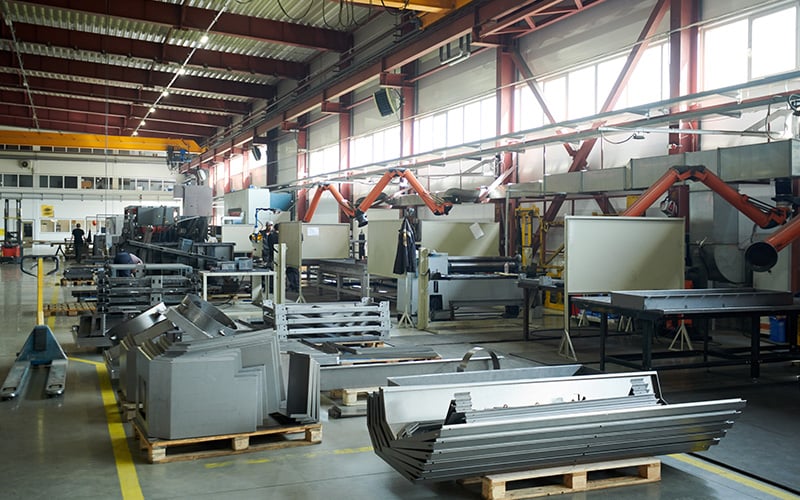
They roll flat sheets into circles and lock them up with a snap-lock or welded seam. Spiral ducts are a twist on this—they form metal from a coil into a spiral, locking the seams as they go.
This spiral method builds strong, leak-resistant ducts. Plus, you get longer sections, which means fewer joints and faster installs.
Machines like spiral duct formers, seam closers, and end-forming tools handle the shaping and finishing. Since round and spiral ducts have smoother insides, they’re the top pick for energy efficiency and keeping things quiet.
Duct Assembly and Joining Techniques
Getting duct assembly right means your connections stay airtight and last. Technicians usually join duct sections using mechanical fasteners, flanges, or drive and slip joints, and it really just depends on the duct’s type and size.
Every joint needs to meet air leakage standards and pressure requirements, no exceptions. For better air retention, people often line seams with sealants or gaskets.
When it comes to high-pressure systems, you’ll see flanged connections with bolts or gasketed couplings—they just give you that extra secure fit. Honestly, accuracy during assembly starts with careful duct cutting and measurement.
Automated presses and notching stations make it easier to line up the edges. After connecting everything, workers take a close look at each section, checking for alignment, air tightness, and proper support spacing.
It’s all about building a stable, clean-flowing duct network that actually lives up to the mechanical and performance standards you’d expect.
Want to Know More About Our Products?
View All Products Now