Potential Market of Tubing Machines: Shell and Tube Heat Exchanger Manufacturers Overview
Jump to section
The potential market for tubing machines used by shell and tube heat exchanger manufacturers continues to expand as global industries demand more efficient thermal systems. This growth comes from the rising need for reliable, high-performance equipment that supports energy efficiency, process safety, and sustainability goals. Shell and tube heat exchangers remain essential in sectors such as chemical production, oil and gas, power generation, and HVAC because they handle high temperatures and pressures with durable performance.
Readers can expect insights into the global market trends, driving factors behind the boom, technology segments, and geographical variations. The upcoming sections will explore how new manufacturing approaches and evolving regulations create profitable opportunities for companies engaged in the shell and tube heat exchanger industry.
Market Overview
The shell and tube heat exchanger market continues to expand due to rising energy efficiency demands, stricter emission standards, and industrial growth in key regions such as Asia-Pacific, Europe, and North America. Increasing use in the chemical, oil and gas, and power generation industries further supports the steady upward trend.
Global Shell and Tube Heat Exchanger Market Size
The global shell and tube heat exchanger market reached an estimated value between USD 5.9 billion and USD 7.9 billion in 2023, depending on the data source. Forecasts suggest a market size of USD 12–13 billion by 2030–2032, driven by compound annual growth rates (CAGR) ranging from 5% to 8%.
Growth stems from industrial expansion, energy efficiency initiatives, and infrastructure development. The Asia-Pacific region leads with strong activity in China and India, supported by large-scale refining and chemical manufacturing investments. Europe follows closely, driven by clean energy projects and carbon reduction goals.
Heat Exchanger Market Key Takeaways
Shell and tube heat exchangers are widely used for efficient heat transfer between fluids in processing, power generation, and HVAC systems. Their durable construction and adaptability across temperature and pressure conditions make them suitable for heavy-duty operations.
Key growth drivers of heat exchangers market include:
- Adoption of energy-efficient technologies across industries
- Emission reduction regulations in Europe and North America
- Expanding chemical processing and petrochemical capacity in Asia
However, high installation costs and maintenance needs remain challenges. Technological improvements, such as real-time monitoring and digital integration, are helping reduce downtime and improve performance reliability. Major investment in modular and compact exchanger designs further supports the market’s evolution.
Major Players and Market Shares
The market features several global and regional participants focusing on product innovation and strategic growth. Leading companies include ALFA LAVAL, Kelvion Holding GmbH, Xylem, Mersen Group, and FUNKE Wärmeaustauscher Apparatebau GmbH. These firms compete through mergers, acquisitions, and new production facilities.
For instance, DASCO Co., Ltd. recently launched a new factory in South Korea to strengthen its manufacturing base. ALFA LAVAL continues to enhance its compact design portfolio, offering efficient alternatives to traditional systems.
Below are the table of heat exchanger companies and their strength:
| Company | Core Strength |
| ALFA LAVAL | High-performance, compact exchangers |
| Kelvion Holding GmbH | Customized industrial solutions |
| Xylem | Sustainable fluid technologies |
| Mersen Group | Industrial electrical and thermal management |
| FUNKE | Specialized German-made exchangers |
Why is the Heat Exchanger Market Growing?
Below are the reasons why the heat exchanger market growing:
- Energy efficiency
- Industrial expansion
- Technological advances
Energy efficiency is a major growth driver. Governments and companies are adopting cleaner technologies to meet emission reduction goals. For example, policies targeting lower carbon footprints push industries toward systems that recover waste heat and improve thermal management.
Industrial expansion has also fueled demand. The rise of manufacturing, petrochemical, and power generation facilities across Asia-Pacific and the Middle East increases the need for high-performance exchangers. The growing construction of energy-intensive buildings further supports market growth.
Technological advances play a strong role. Modern shell and tube designs feature better materials, compact layouts, and improved maintenance options. Integration of digital monitoring tools allows operators to track performance and prevent downtime, improving equipment reliability.
Market Segmentation by Technology
Common application segments of heat exchanger include:
- Shell and Tube
- Air Cooled
- Plate
Shell and Tube
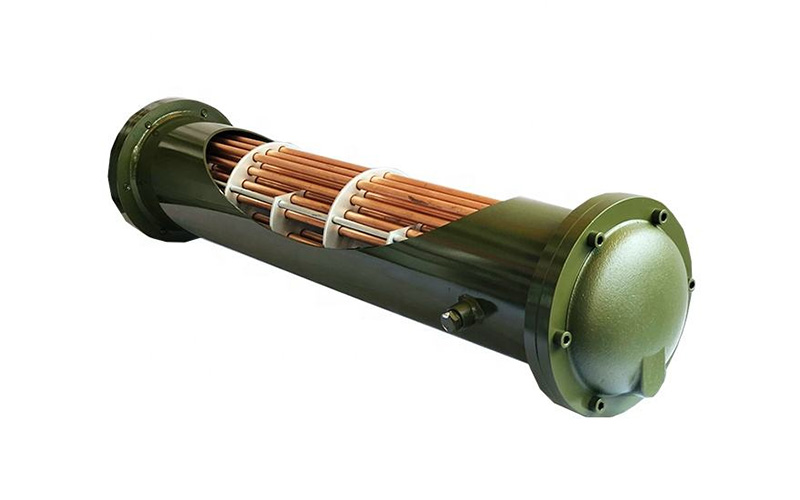
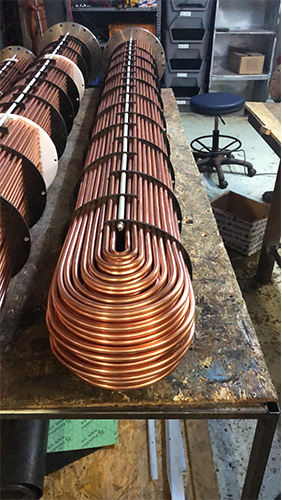
A shell and tube heat exchanger is a device that uses a series of tubes enclosed within a cylindrical shell to transfer heat between two fluids. This design handles high pressure and temperature applications effectively, making it common in heavy industries.
Air Cooled
An air cooled heat exchanger is a device which can remove heat by blowing ambient air across finned tubes that contain the process fluid. Air cooled exchangers appear frequently in petrochemical, compressor, and power generation systems where accessibility and low maintenance are priorities. Noise control and optimized fan designs have improved energy efficiency, helping these systems compete with traditional water-based solutions.
Plate
A plate heat exchanger is a device that transfers heat through stacked, corrugated plates that create thin channels for fluids to pass. Industries such as food processing and HVAC systems favor this technology for its easy cleaning and customization. With ongoing design improvements that boost sealing and flow control, plate exchangers continue to gain traction in sectors seeking compact, flexible, and energy-efficient solutions.
Market Segmentation by Application
Common application segments of heat exchanger include:
- Power Generation: used in thermal and nuclear plants for steam condensation and waste heat recovery.
- Oil and Gas: supports refining and petrochemical processes where fluids need heating or cooling under high pressures.
- Chemical Processing: manages temperature control during reactions, condensation, and distillation operations.
- HVAC Systems: maintains energy‑efficient temperature regulation in buildings and industrial cooling systems.
- Food and Beverage: helps maintain product safety and quality in processes such as pasteurization and cooling.
Demand across these applications is influenced by energy efficiency goals, environmental regulations, and industrial modernization. Regions with rapid industrial growth, such as Asia-Pacific, show higher adoption, especially in manufacturing and energy sectors requiring reliable heat management systems.
Market Segmentation by Geography
Regional demands for shell and tube heat exchangers include:
- North America Market
- Europe Market
- Asia-Pacific Market
- Middle East & Africa Market
- Latin America Market
North America Market Overview
Factors that drive the demand for the heat exchangers in North America:
- Investment in energy-efficient retrofits and maintenance of existing plants
- Large-scale infrastructure modernization
North America holds a significant share of the global shell and tube heat exchanger market due to its advanced industrial base and strong focus on energy efficiency. The United States and Canada lead demand, driven by oil refining, power generation, and chemical manufacturing sectors.
Investment in energy-efficient retrofits and maintenance of existing plants keeps demand steady. The region’s shift toward renewable energy also supports market growth, as heat exchangers play a role in geothermal and biomass systems.
Large-scale infrastructure modernization, particularly in the petrochemical and power industries, sustains long-term opportunities. Manufacturers in the region often emphasize regulatory compliance and performance optimization, promoting demand for high-quality tubing machines to enhance production precision and reduce system downtime.
Europe Market Demand
Factors that drive the demand for the heat exchangers in Europe:
- Environmental regulations and strict energy efficiency standards
- Established industrial sectors
- Chemical processing, HVAC, and renewable energy industries
- Technological innovation
Europe’s market for shell and tube heat exchangers is influenced mainly by environmental regulations and strict energy efficiency standards. Countries such as Germany, France, and the United Kingdom maintain steady demand due to established industrial sectors.
Growth stems from the chemical processing, HVAC, and renewable energy industries. The European Union’s carbon-reduction goals encourage facilities to upgrade to systems that minimize thermal losses and improve operational efficiency.
Technological innovation plays a key role. Many European manufacturers integrate automation and digital monitoring in exchanger production to meet quality and efficiency targets. Eastern European nations are gradually increasing adoption as local industries expand and modernize equipment.
Asia-Pacific Growth Opportunities
Factors that drive the demand for the heat exchangers in Asia-Pacific regions:
- Industrialization and energy demand
- Local manufacturing support
- Environmental regulations
The Asia-Pacific region represents the fastest-growing market, driven by rapid industrialization and energy demand. India, China, and Japan are primary contributors, with India accounting for more than 22% of the Asia-Pacific market in 2024.
Manufacturing expansion in oil and gas, chemicals, and pharmaceuticals forms the backbone of regional growth. Rising demand for energy-efficient systems and government policies supporting clean energy further encourage investment.
Two factors shape this market: continuous infrastructure development and cost-effective production capacity. Many local tubing machine manufacturers benefit from regional supply chains, helping reduce production costs for heat exchangers. This advantage positions Asia-Pacific as both a production hub and a major consumer base.
Middle East & Africa Industrial Applications
Factors that drive the demand for the heat exchangers in Middle East and Africa:
- Abundance of refining infrastructure
- The expansion of natural gas processing projects
In the Middle East & Africa, market growth aligns closely with oil, gas, and petrochemical production. The abundance of refining infrastructure and the expansion of natural gas processing projects sustain steady demand for shell and tube heat exchangers.
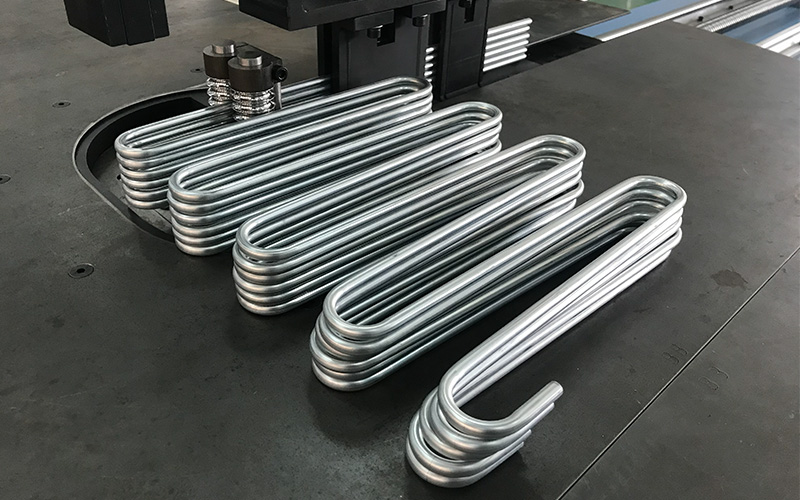
Countries such as Saudi Arabia, United Arab Emirates, and South Africa lead investment in industrial heat transfer systems. High operating temperatures and process reliability requirements make tubing precision critical.
Beyond the energy sector, some diversification is seen in food processing and water desalination projects, particularly in Gulf countries. Manufacturers targeting this region focus on durable materials, such as stainless steel and titanium, which resist corrosion and handle extreme operating conditions.
Latin America Emerging Markets
Factors that drive the demand for the heat exchangers in Latin America:
- Industrial activity
- Foreign investment in energy
- Manufacturing sectors
Latin America’s market remains relatively small but shows growing momentum in countries such as Brazil, Mexico, and Chile. Industrial activity and foreign investment in energy and manufacturing sectors contribute to a gradual increase in demand.
Oil refining and mining industries are key consumers. Local infrastructure projects, including energy-efficient power plants and chemical facilities, also generate interest in modern heat exchanger technology.
Challenges include inconsistent regulations and slower adoption of new systems. However, partnerships between global manufacturers and regional firms are improving access to advanced tubing machinery. Over time, this collaboration could enhance production capabilities and lower import dependency across the region.
Competitive Landscape of Heat Exchanger Market
The heat exchanger market includes a wide range of companies that design and manufacture equipment for efficient heat transfer in industrial and commercial systems. Shell and tube heat exchangers remain the most common type due to their durability, adaptability, and ease of maintenance.
Major participants such as ALFA LAVAL, Kelvion Holding GmbH, Xylem, FUNKE Wärmeaustauscher Apparatebau GmbH, and Mersen Group hold significant market shares. These firms focus on expanding their global reach through acquisitions, partnerships, and product innovations. Many invest in digital monitoring and automation to improve system efficiency and reduce downtime.
Regional competition also shapes the market. Asia Pacific, led by China, accounts for a large share of production and demand due to rapid urbanization and industrial growth. Europe emphasizes regulatory compliance and innovation in emission reduction, while North America maintains strong presence in power and oil & gas industries.
Ongoing investment in cleaner energy systems and digital manufacturing tools continues to influence competitive positioning across all regions.
What are the Emerging Trends and Market Opportunities?
Rapid shifts in energy systems, manufacturing practices, and environmental policies are shaping the heat exchanger market. Manufacturers of tubing machines and shell-and-tube units are responding with smarter designs, new materials, and sustainable production methods that improve efficiency, reliability, and long-term cost control.
Renewable energy integration reinforces deployment
Renewable energy integration refers to the use of clean energy sources, such as solar, geothermal, and biomass, in industrial and power generation processes. Shell-and-tube heat exchangers play a key role in transferring heat efficiently in these systems.
As governments invest in carbon reduction and clean energy, demand for heat exchangers that can operate with renewable inputs continues to rise. For instance, projects in Europe and Asia are expanding to meet net-zero targets, driving equipment upgrades that include advanced tubing solutions.Many manufacturers now design exchangers for hybrid systems combining conventional and renewable energy sources. This creates new opportunities for tubing machine companies.
Material innovations strengthen product performance
Material innovation involves applying new or improved metals and coatings to boost heat exchanger durability and efficiency. Stainless steel, titanium, and high-grade alloys are increasingly used for better corrosion resistance and thermal conductivity.
Advances in manufacturing technologies, including automated welding and precision rolling equipment, help reduce material costs and improve tube uniformity. As supply chain pressures ease with broader regional sourcing, tubing producers in emerging economies like India and Vietnam are increasing output. This widens access to specialized tubes for chemical, marine, and power generation markets.
Regulatory compliance and efficiency standards reshape designs
Regulatory compliance means meeting government and industry standards for energy efficiency, emissions, and safety. In Europe and North America, rules targeting carbon reduction influence how companies design and choose heat exchangers.
New efficiency standards promote compact, high-performance exchangers that use less material per unit of heat transferred.Digitalization supports this process by allowing engineers to simulate and validate performance virtually before production. Regulations also encourage the use of predictive maintenance and data tracking, reducing unplanned shutdowns and improving lifecycle efficiency. For tubing suppliers, this means tighter tolerances, better traceability, and verified compliance with quality standards such as ASME and ISO.
Industrial growth and energy demand drive adoption
Industrial growth, especially in emerging economies, is one of the main forces behind heat exchanger demand. Expanding chemical, petrochemical, and manufacturing sectors in Asia-Pacific and the Middle East require efficient systems for heating and cooling large-scale processes.
Growing power generation activities, including waste-heat recovery and cogeneration, also strengthen the market. Combined with rising energy prices, these trends push industries to adopt more efficient thermal management systems, creating consistent opportunities for tubing suppliers and heat exchanger producers worldwide.
FAQ
What will be the size of the heat exchanger market in 2035?
By 2035, the global shell and tube heat exchanger market is projected to exceed USD 15 billion, based on steady annual growth driven by demand from process industries and energy infrastructure projects. Forecasts from recent studies suggest a compound annual growth rate of roughly 5–6% through the 2030s, supported by sustainability goals and replacement of aging systems.
This long-term growth outlook reflects continued investments in refineries, clean energy facilities, and advanced manufacturing plants that depend on efficient heat transfer solutions.
Which regions are leading in the demand for tubing machines for heat exchangers?
Asia-Pacific leads the global demand, supported by industrial expansion in China, India, and Southeast Asia. These countries rely heavily on tubing and heat exchanger equipment for chemical production, automotive cooling, and power generation.
North America follows with strong investments in energy, petrochemicals, and manufacturing modernization. Europe maintains a significant share as environmental policies encourage the upgrade of older heat exchange systems to more efficient models.
What are the latest technological advancements in the production of shell and tube heat exchangers?
Manufacturers are integrating Internet of Things (IoT) sensors and data analytics into exchangers to monitor performance and schedule maintenance before breakdowns occur. The use of advanced alloys and corrosion-resistant materials such as titanium and nickel alloys improves durability and efficiency in harsh environments.
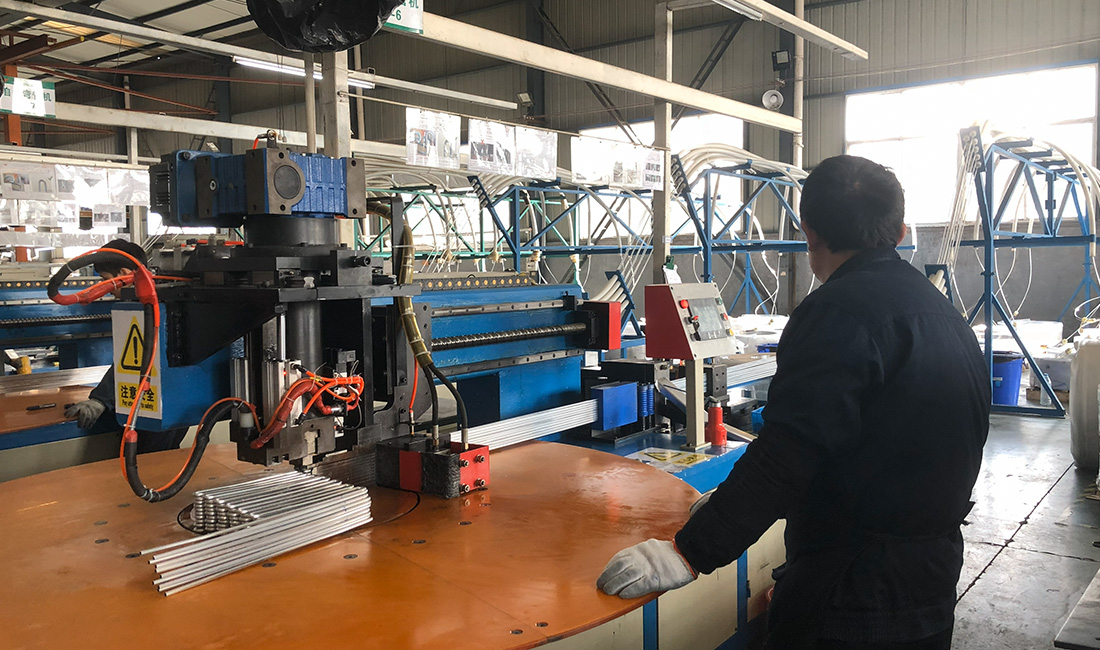
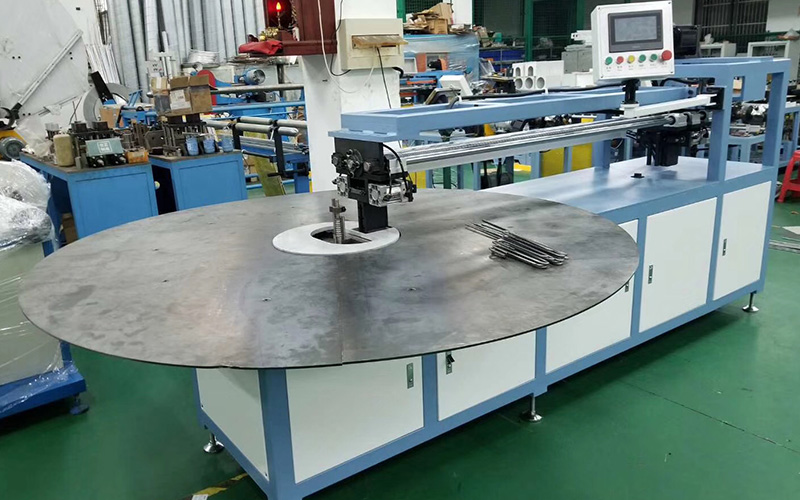
Recent automation in tube cutting, bending, and welding machines has also shortened production times and improved quality consistency. These developments allow producers to meet custom requirements for complex industrial applications.
Who are the top global players in the shell and tube heat exchanger manufacturing industry?
Leading companies in this sector include Alfa Laval AB, API Heat Transfer, Alleima AB, HRS Heat Exchangers, Thermax Ltd, and Xylem Inc. They compete through innovation, regional expansion, and partnerships with large energy and chemical firms.
Other notable participants such as Southern Heat Exchanger Corporation, Brask Inc., and Hughes Anderson Heat Exchangers focus on specialized or large-format systems used in heavy industries. Together, these firms represent a significant portion of the global market capacity.
Want to Know More About Our Products?
View All Products Now